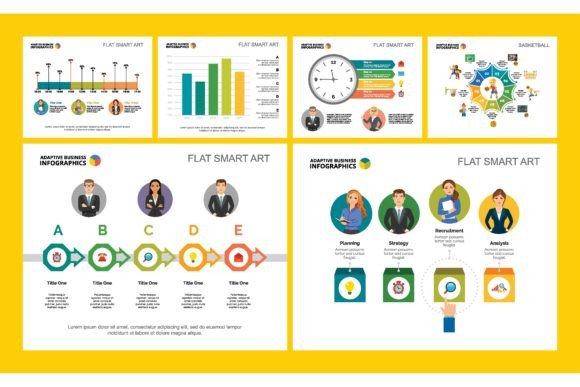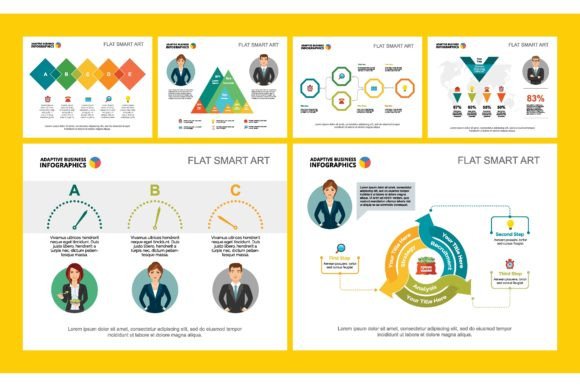
Colorful Finance: A Modern Approach to Business Design
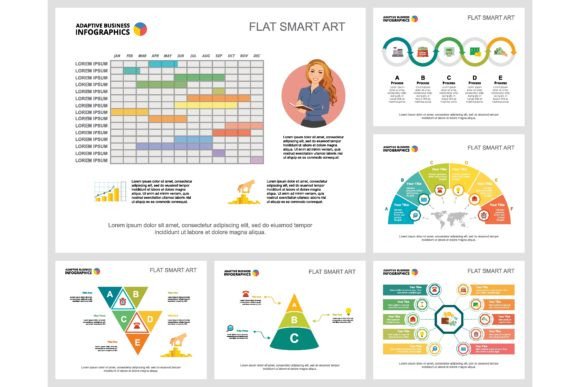
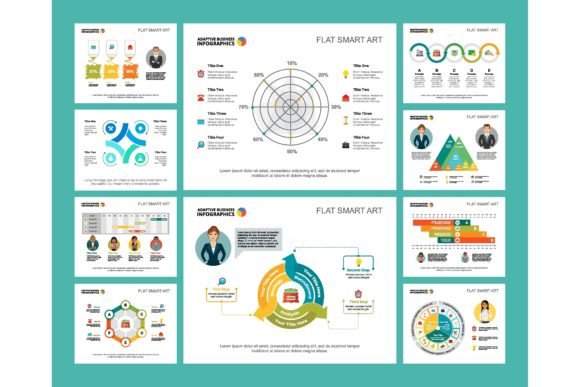
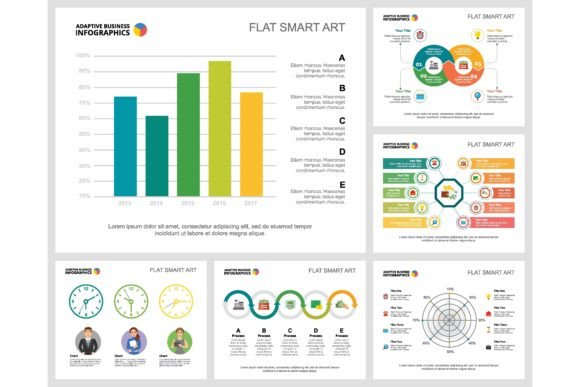
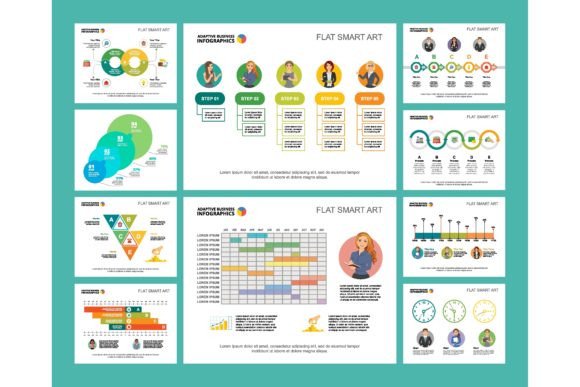
When you hear "financial design," what comes to mind? Often, it's a sea of sterile blues, rigid grids, and dense spreadsheets that feel more intimidating than inviting. But the world of finance and management is evolving, and so is how we communicate it. The Colorful Finance or Management Concept I infographic set throws out the old rulebook, offering a vibrant, human-centered approach to presenting complex data. This isn't just about adding a few bright charts to a report; it's about fundamentally changing how your audience perceives and engages with critical business information.
This design concept is built on a foundation of clarity and approachability. The visual style uses a carefully curated, modern color palette—think electric teals, warm corals, and soft purples instead of muted grays and navy. Icons are simplified and friendly, avoiding overly technical or abstract symbols. The layout of each infographic element prioritizes whitespace and logical flow, guiding the viewer's eye naturally from one data point to the next. The personality is confident, optimistic, and transparent. It says, "This information is important, and we've made it easy for you to understand." This style has a broad appeal, resonating with a generation that values authenticity and clear communication over formal, impersonal presentations.
Where This Concept Truly Shines
The versatility of the Colorful Finance concept is one of its greatest strengths. It's a powerful set of design assets that can transform a wide range of projects. For corporate reports, it replaces static tables with dynamic charts that tell a story, making annual reviews and quarterly updates far more engaging for stakeholders. In advertising and leaflet layout, the bold visuals and clear icons grab attention instantly, perfect for promoting financial services, investment apps, or business software.
Digital applications are where this concept truly excels. Imagine presentation slide templates that hold your audience's attention, or social media graphics that simplify complex market trends into shareable, digestible pieces. For web design, these infographic elements can break up long-form content, improve user experience, and increase time on page. Even poster design for conferences or office walls can benefit, turning motivational business quotes or key performance indicators into striking visual statements. It's a toolkit designed for the modern communicator, whether you're a startup founder, a marketing manager, or a content creator explaining economic trends to your followers.
Practical Guidance for Implementation
Adopting this colorful approach requires more than just downloading a template. Start by evaluating your project's core message and audience. While the style is versatile, it's particularly effective for projects aimed at engaging a broader audience, educating clients, or revitalizing a brand's public image. It might be less traditional for formal legal or academic submissions, but perfect for internal team communications or customer-facing materials.
When integrating these assets, focus on visual hierarchy. Use the boldest colors and largest charts for your most critical data points. Ensure your chosen color palette aligns with or thoughtfully complements your existing brand identity. A key strength of this concept is its ability to enhance brand perception, projecting an image of innovation and clarity. Always test your designs across different mediums. How does that vibrant chart look when printed versus on a mobile screen? Is the text within the infographic legible at small sizes?
Remember, the goal is readability and engagement. The colorful elements should guide, not distract. Use them to create a rhythm in your layout, breaking down information into manageable, visually appealing chunks. By doing so, you're not just presenting data—you're crafting a narrative that builds trust and keeps your audience invested. This practical, human-centered approach to business design is how you turn routine reports and communications into powerful tools for connection and understanding.